Artist’s Statement
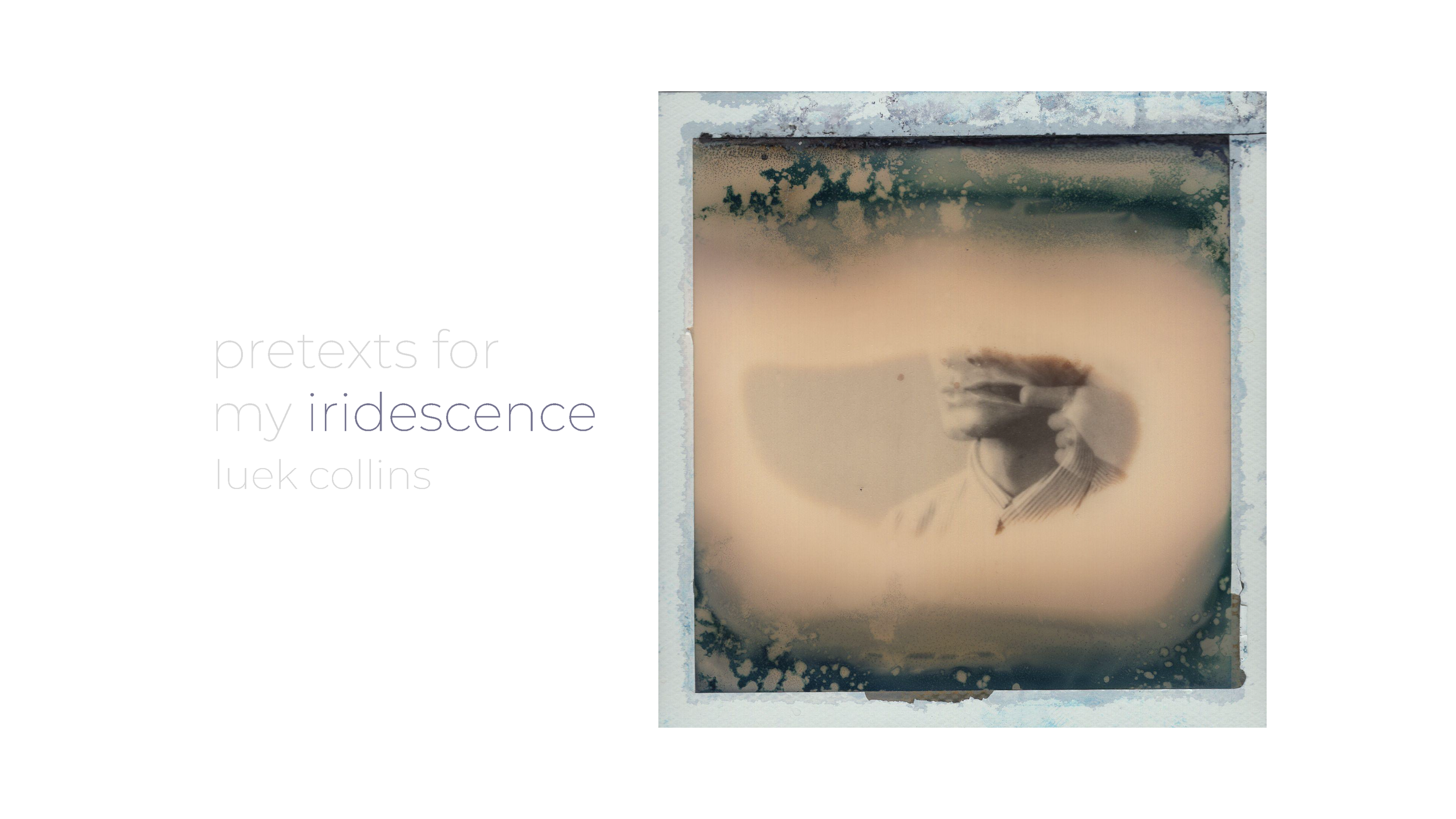
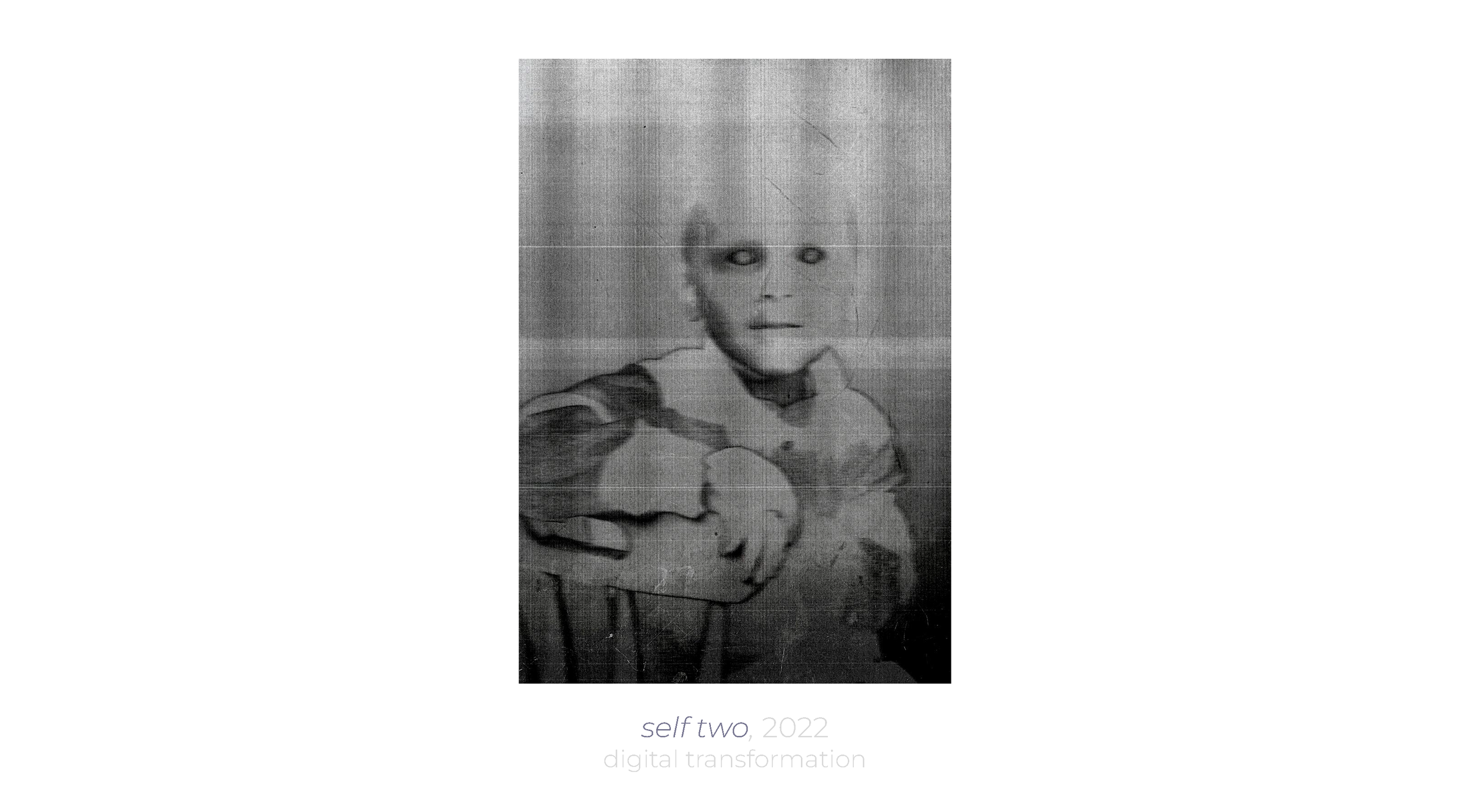
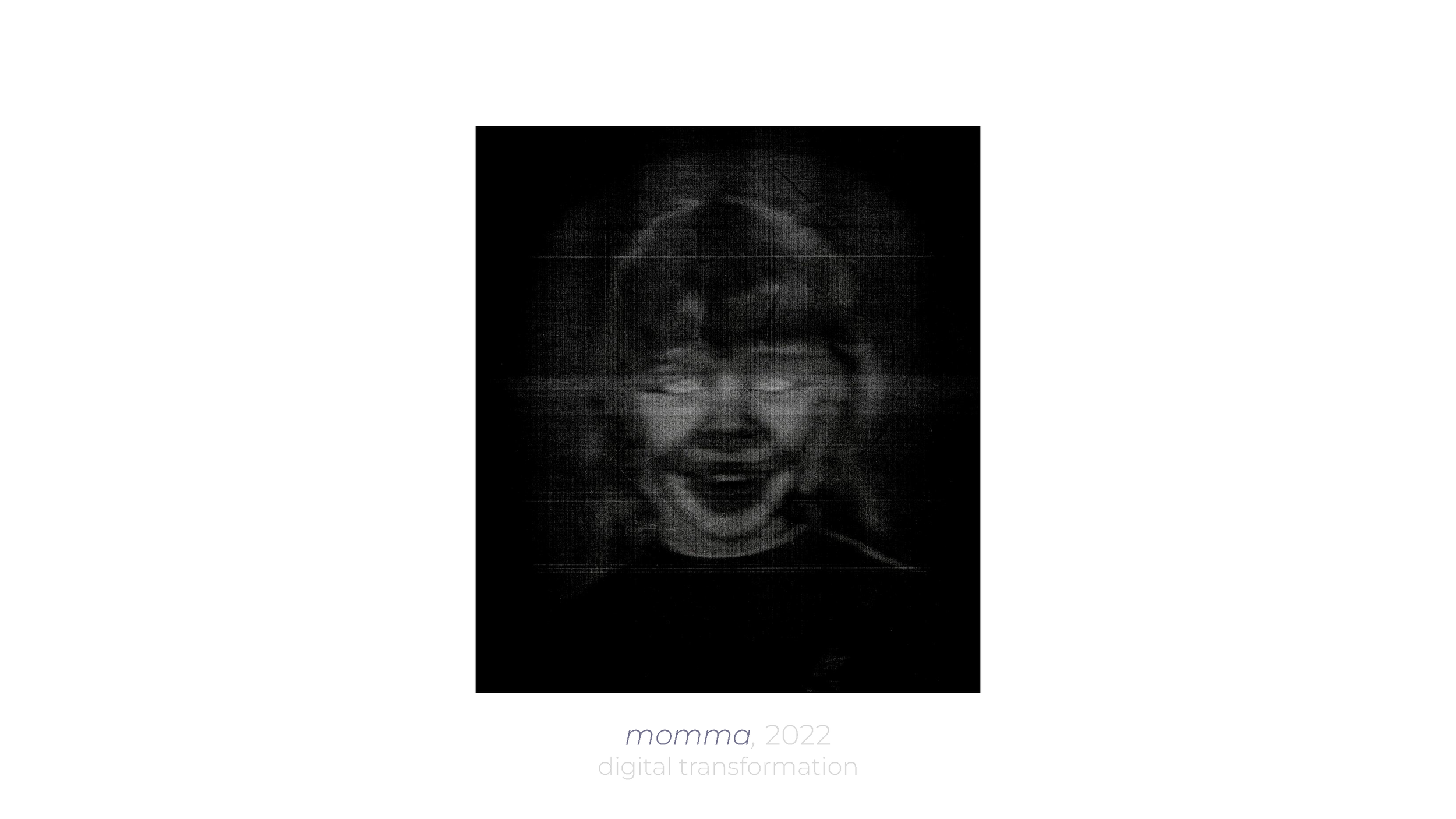
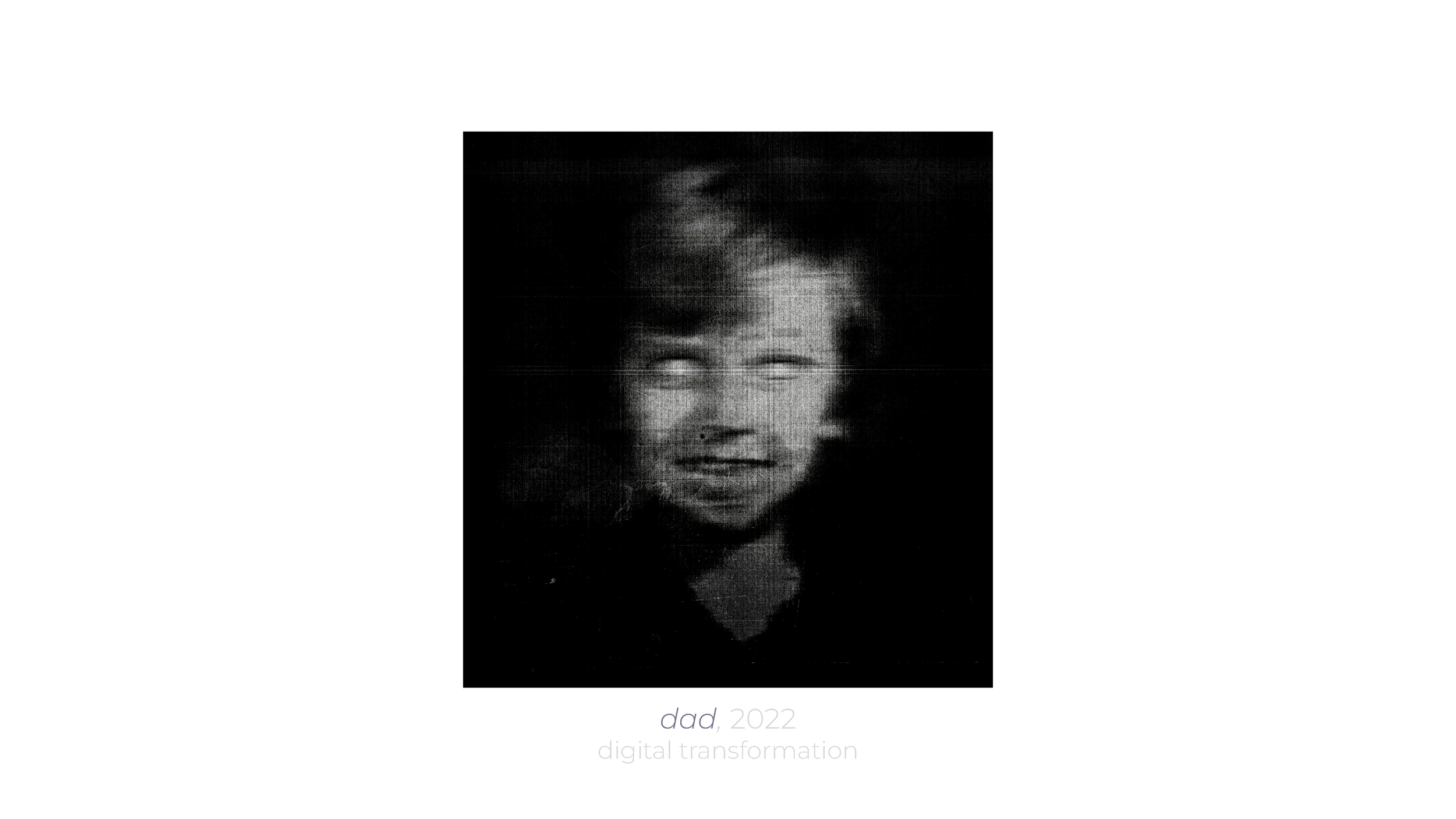
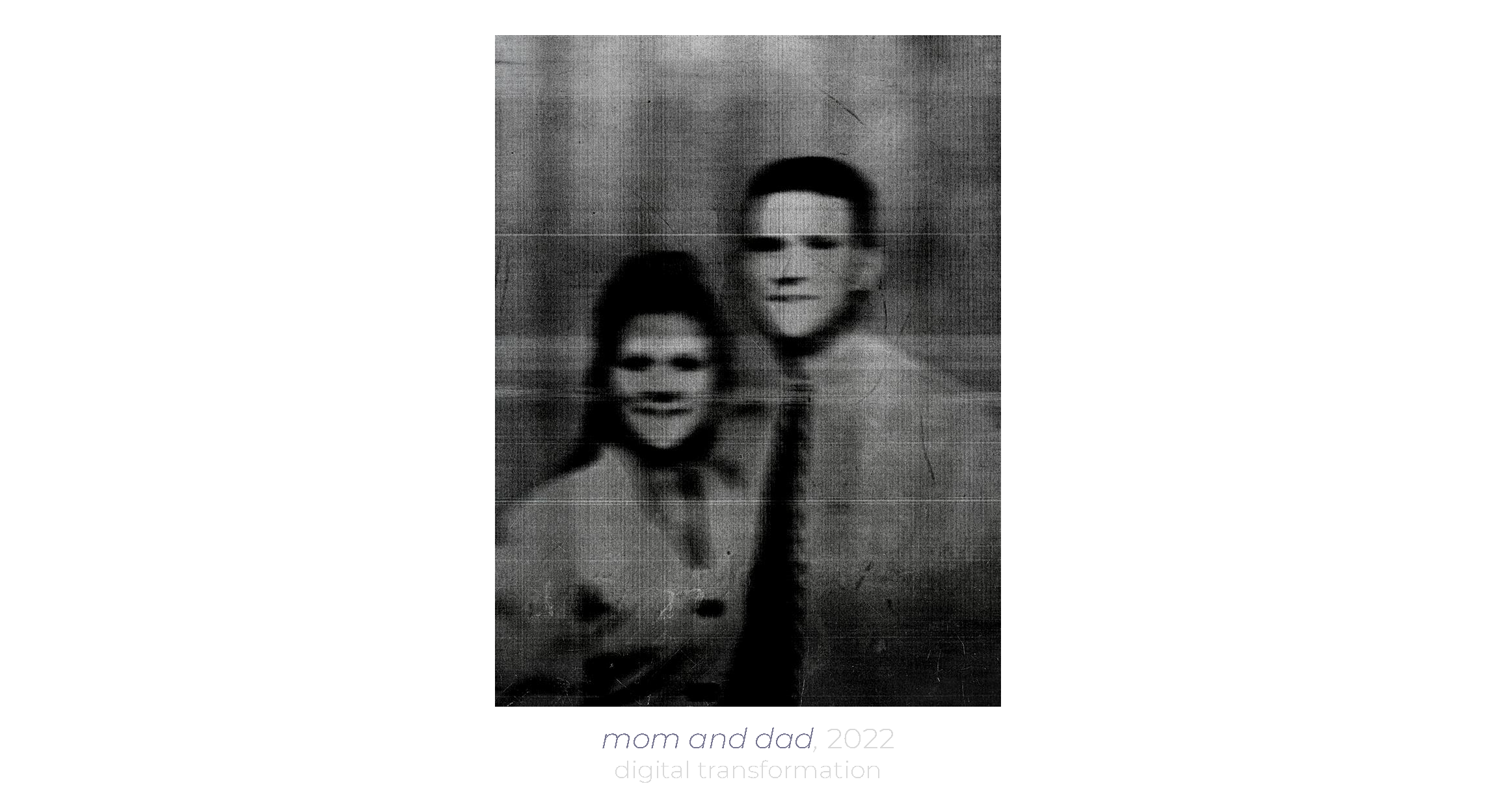
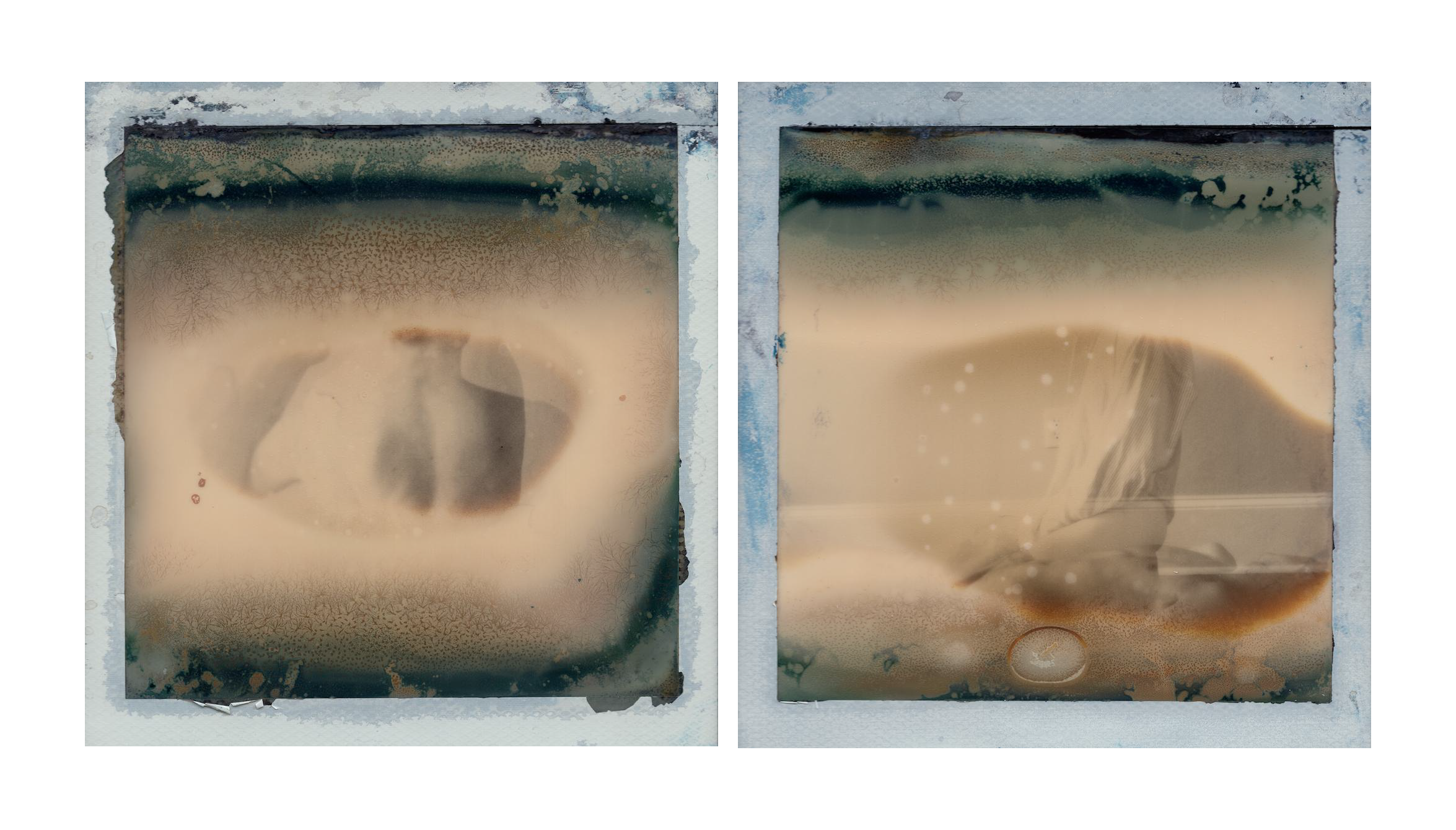
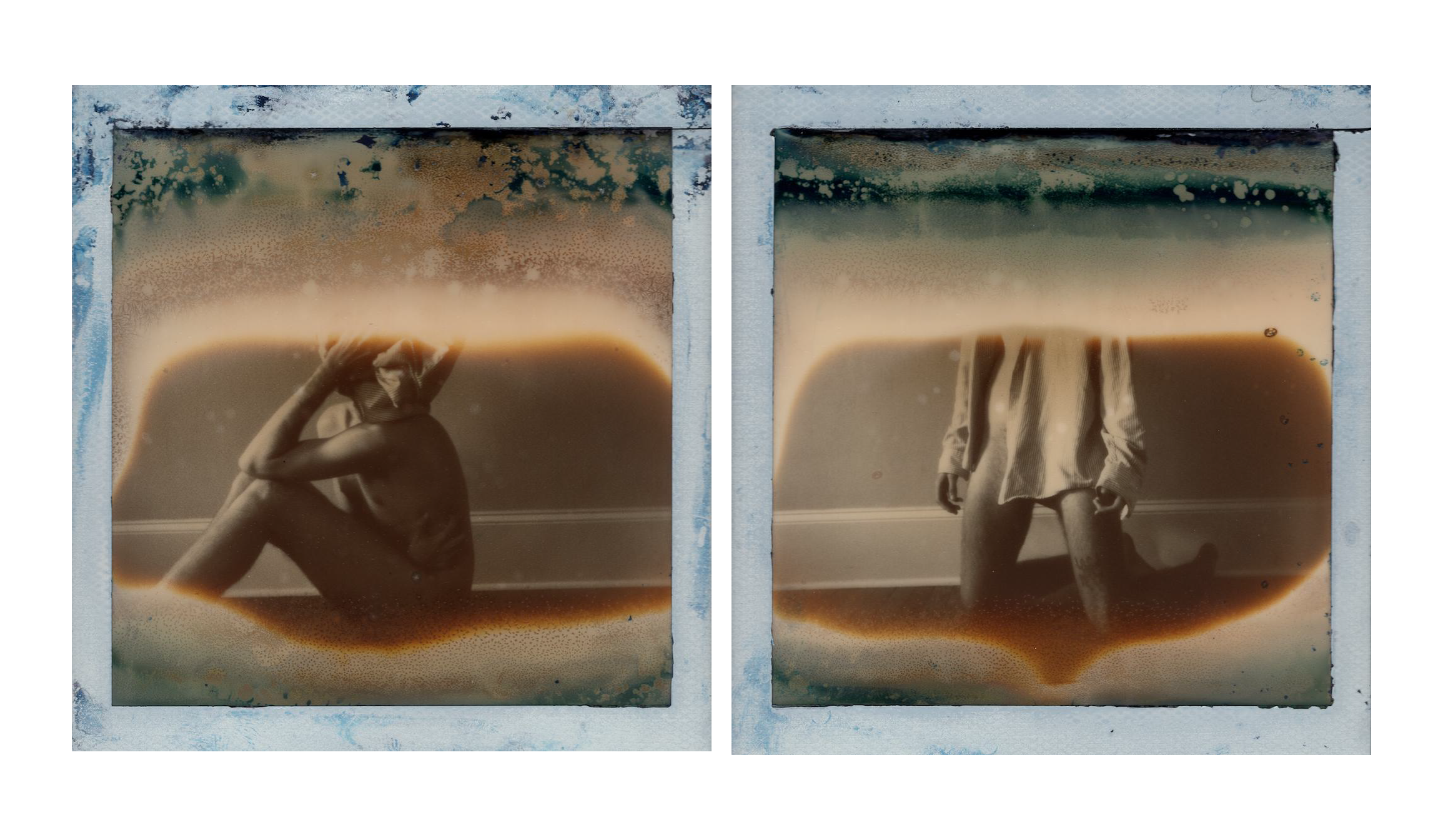
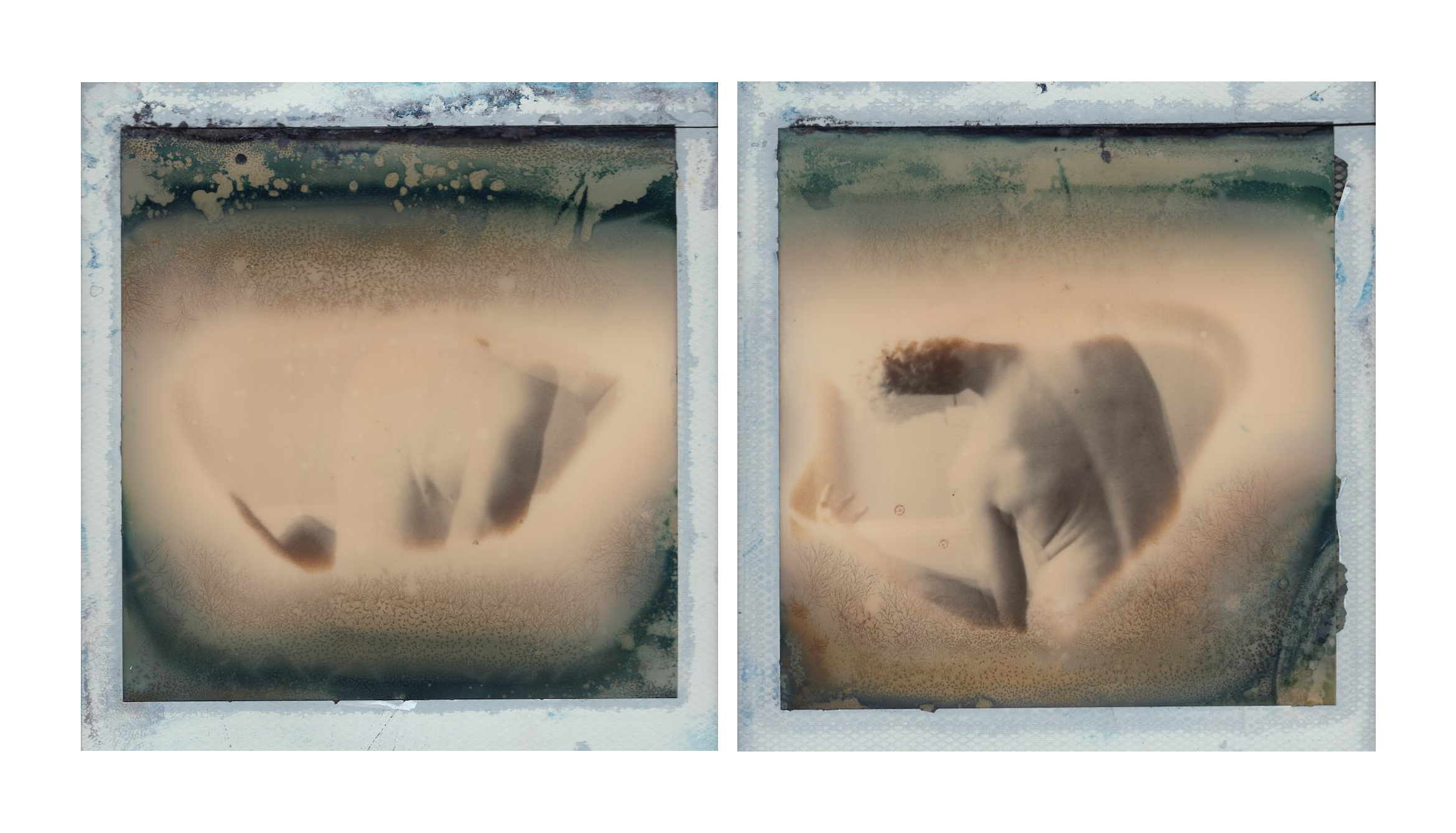
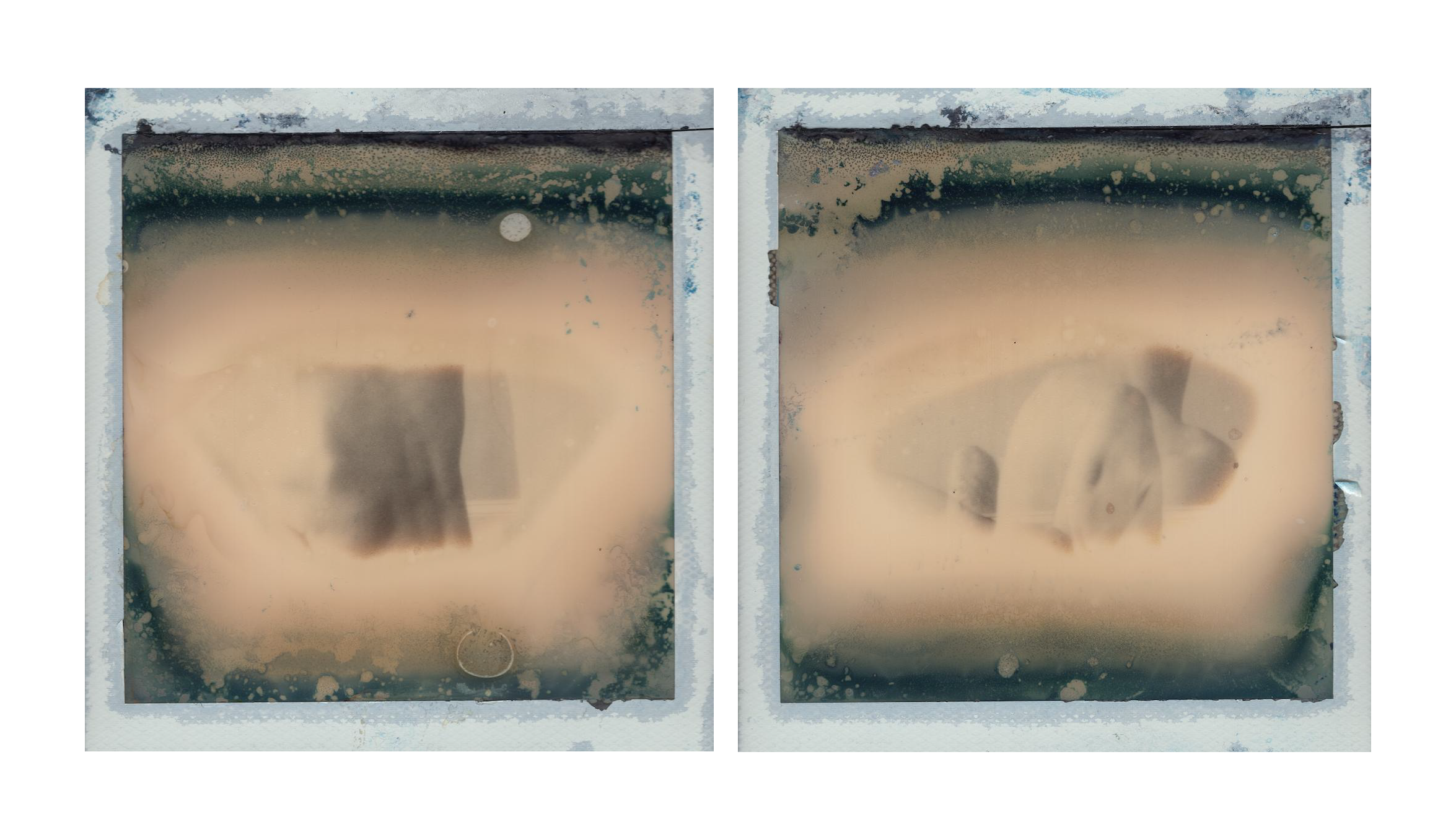
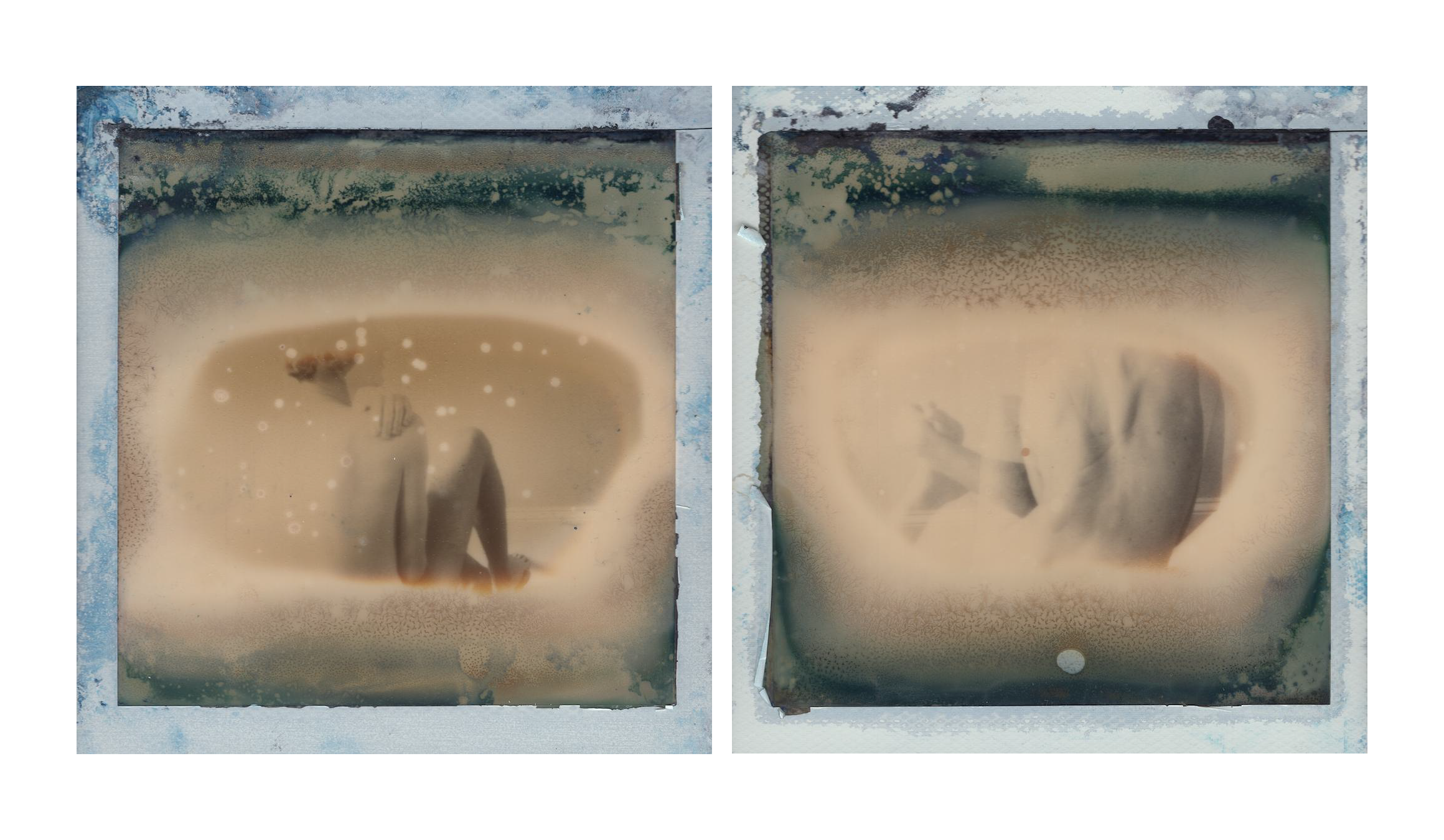
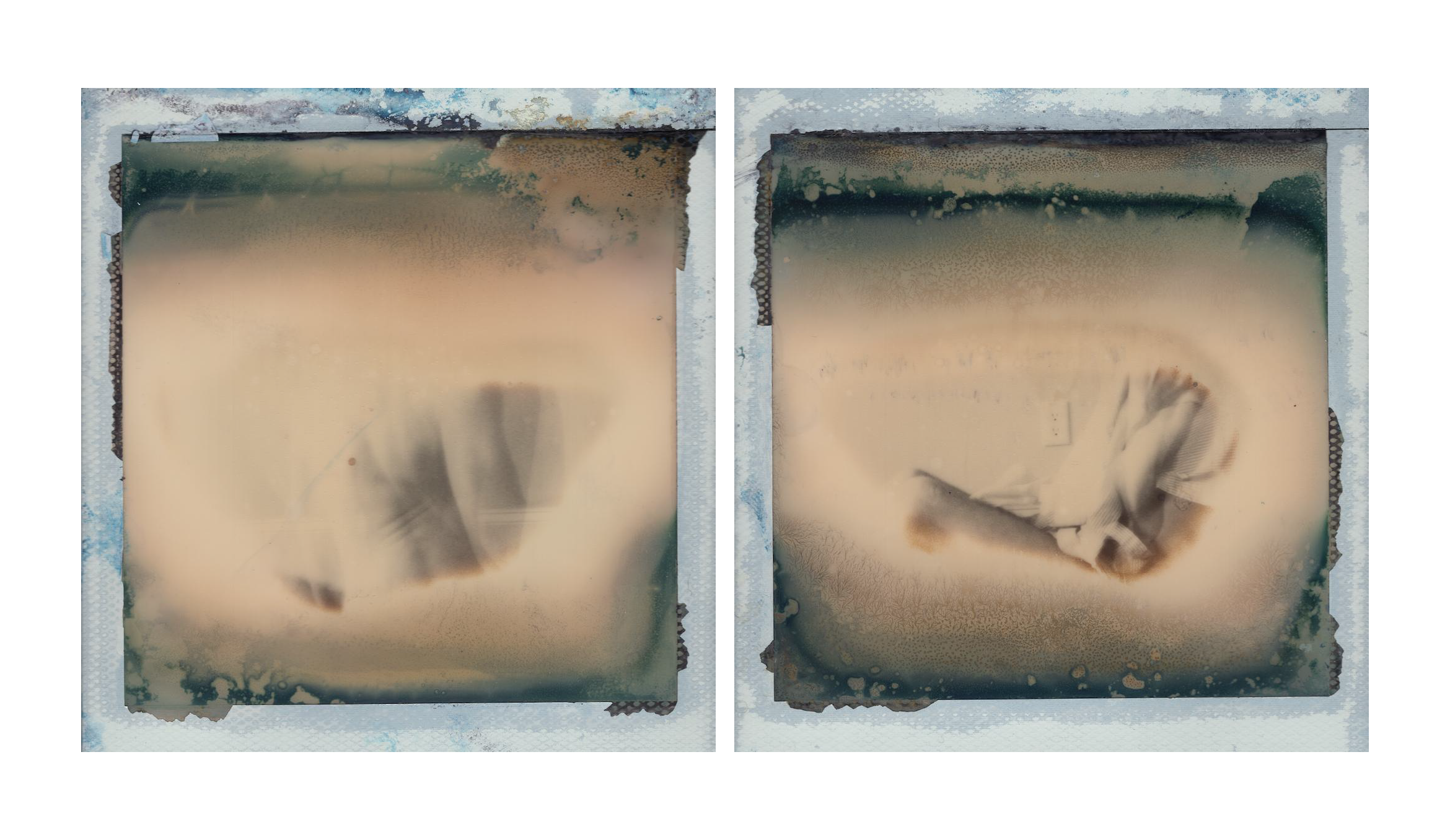
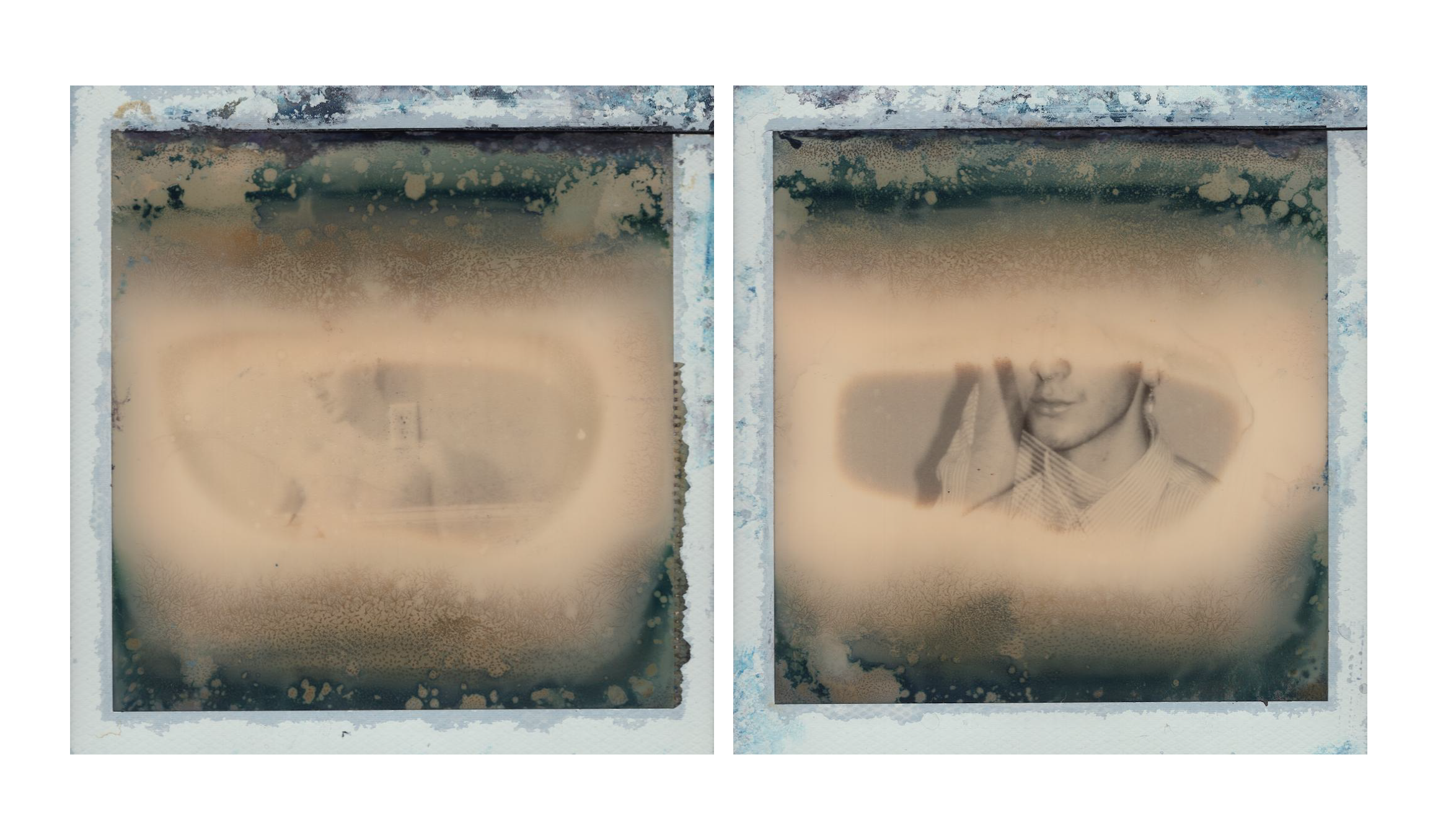
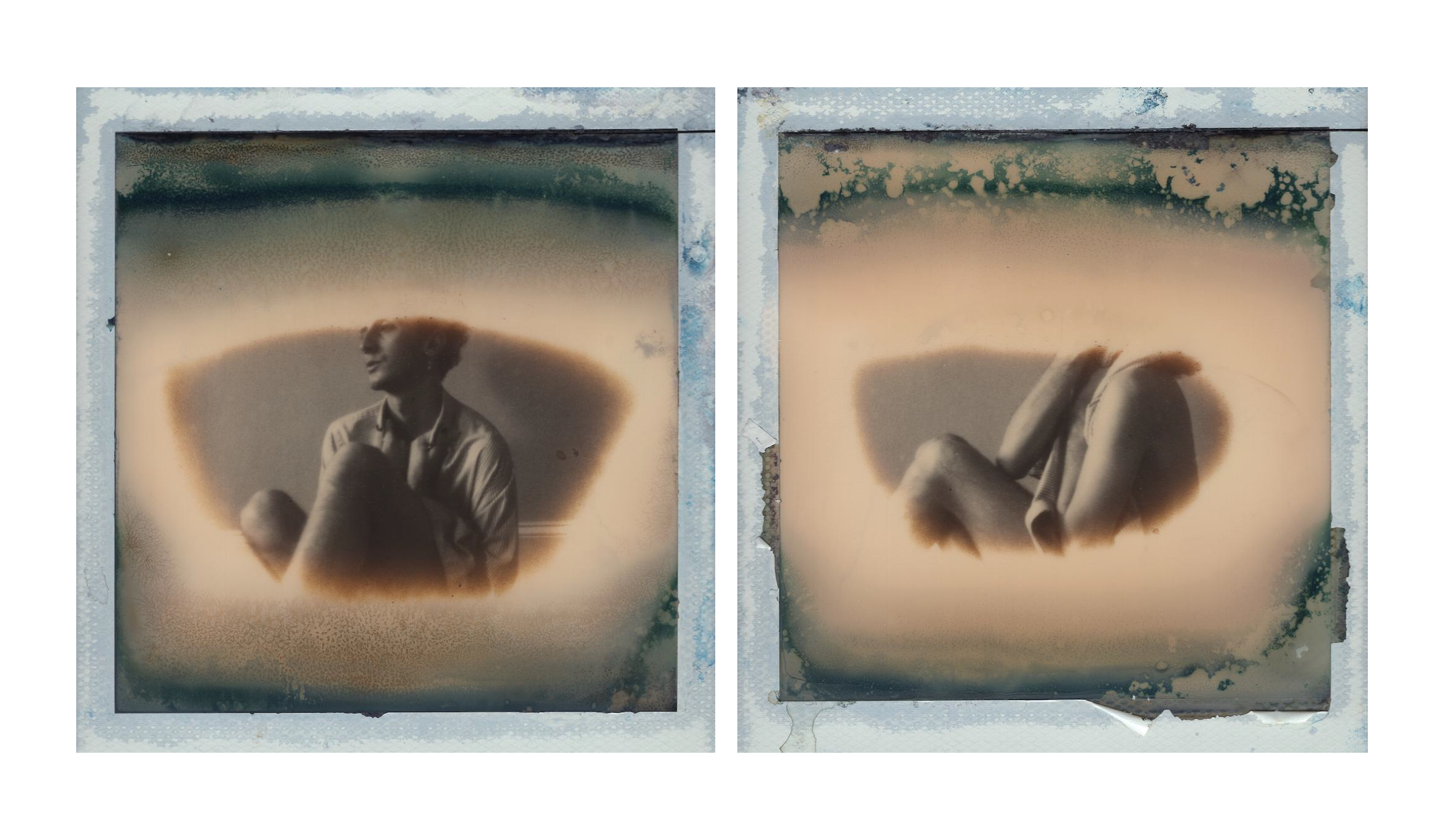
My work over the last four years has become motivated by and situated inside of the psychological space of the child, analyzing and investigating my own identity, lineage, and family history, while utilizing the aesthetics and objects associated with childhood and memory to articulate my own relationship to each. When I speak of psychological space, I am primarily referring to my own childlike interiority and the understanding I have of who I was, what I observed, and, subsequently, how I felt as a child. There is a deep discomfort that has pervaded these evolving perceptions; I have always felt tiny inside my body, lesser than and feeble. My goal as an artist has been to invite others into these intimate and often harrowing spaces. Pretexts for My Iridescence serves as invitation to my family, a kind of offering that expresses my perspective as the youngest and only queer child in our household; it is an offering for my child and teenage selves as well, an atonement for the pain and unsettling nature of memory, abuse, and generational suppression in relation to the queer body, the queer child.
As a writer and poet, the curiosity I have in language and narrative tends to absorb inherently into my visual work. Thus, I’ve envisioned this collection moving through three narrative acts: Absence, Transparence, and Iridescence. These titles derive from a parenthetical in Jean Genet’s The Thief’s Journal, a transgressive and transformational fixture in queer literature. The full quote reads, “Pretexts for my iridescence, then for my transparence, and finally for my absence, the lads I speak of evaporate. All that remains of them is what remains of me: I exist only through them, who are nothing, existing only through me. They shed light on me, but I am the zone of interference.” When conceptualizing this body of work, I clung to Genet’s words, feeling as if they externalize a general unspoken theme throughout my oeuvre: the self (or extensions of self) as icon, as offering, as absent referent.
I’ve chosen to invert the order of the triptych Genet presents, allowing “Iridescence” to become the terminus. In my understanding of the word “pretext” and its correlation to this work, it refers to a falsehood given as an explanation or justification for some act, whereas “iridescence” takes on a more conceptual and expansive connotation– it translates personally into something like “becoming” or “emergence;” something that cannot be dulled or ignored. In this case, Absence and Transparence are the pretexts for Iridescence– my family and the pain I’ve endured in my queerness are falsehoods, untrue beginnings for my iridescence, my becoming, my emergence. The family often assumes ownership over the individual or the extensions of its blood/lineage. Much of who I’ve become as an adult has been attributed or attached to the parenting and teachings of my mother and father, both of whom made the decision, whether conscious or unconscious, to ignore my queerness, discomfort and, at times, existence as I transitioned from adolescence into adulthood.
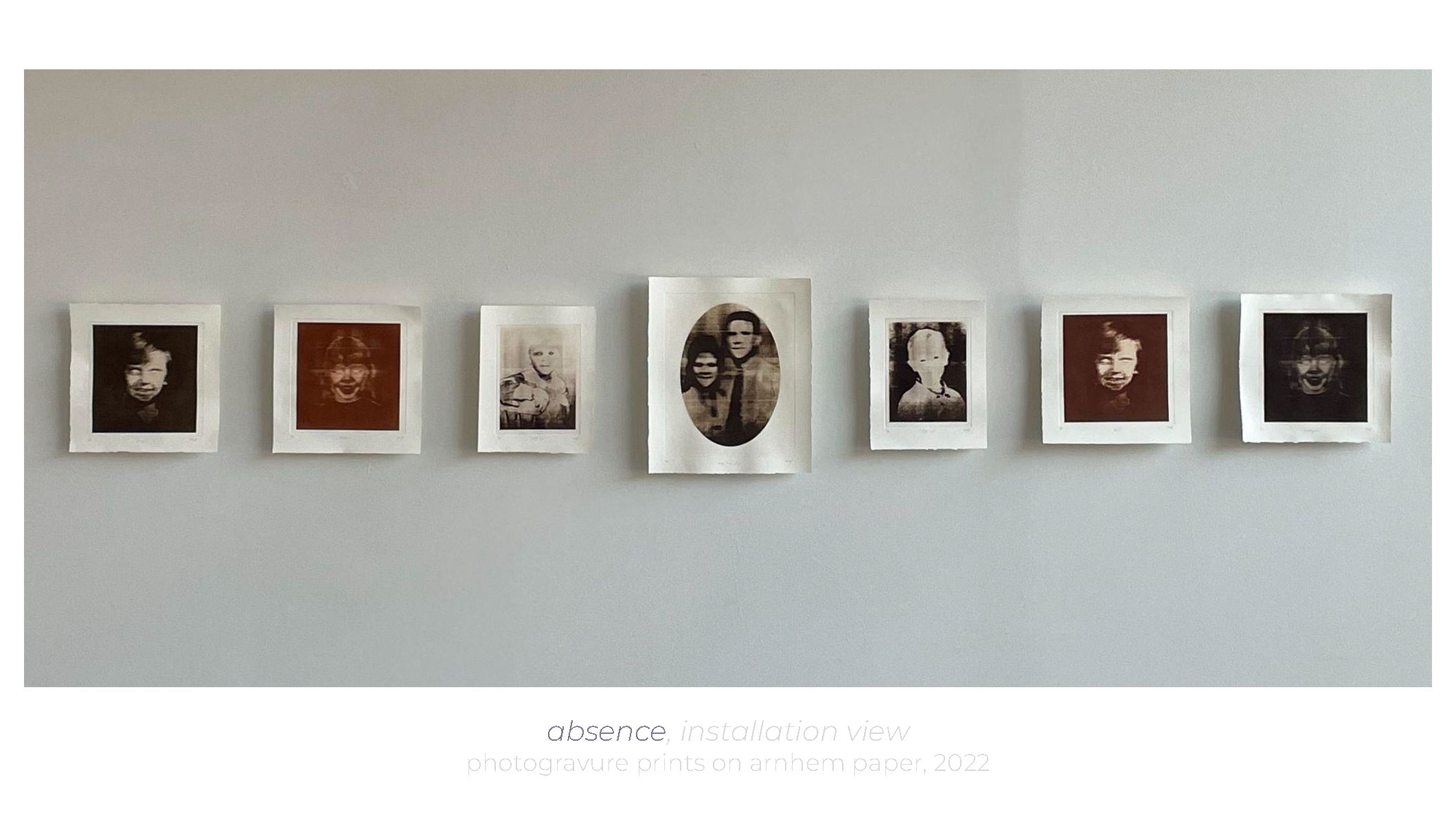
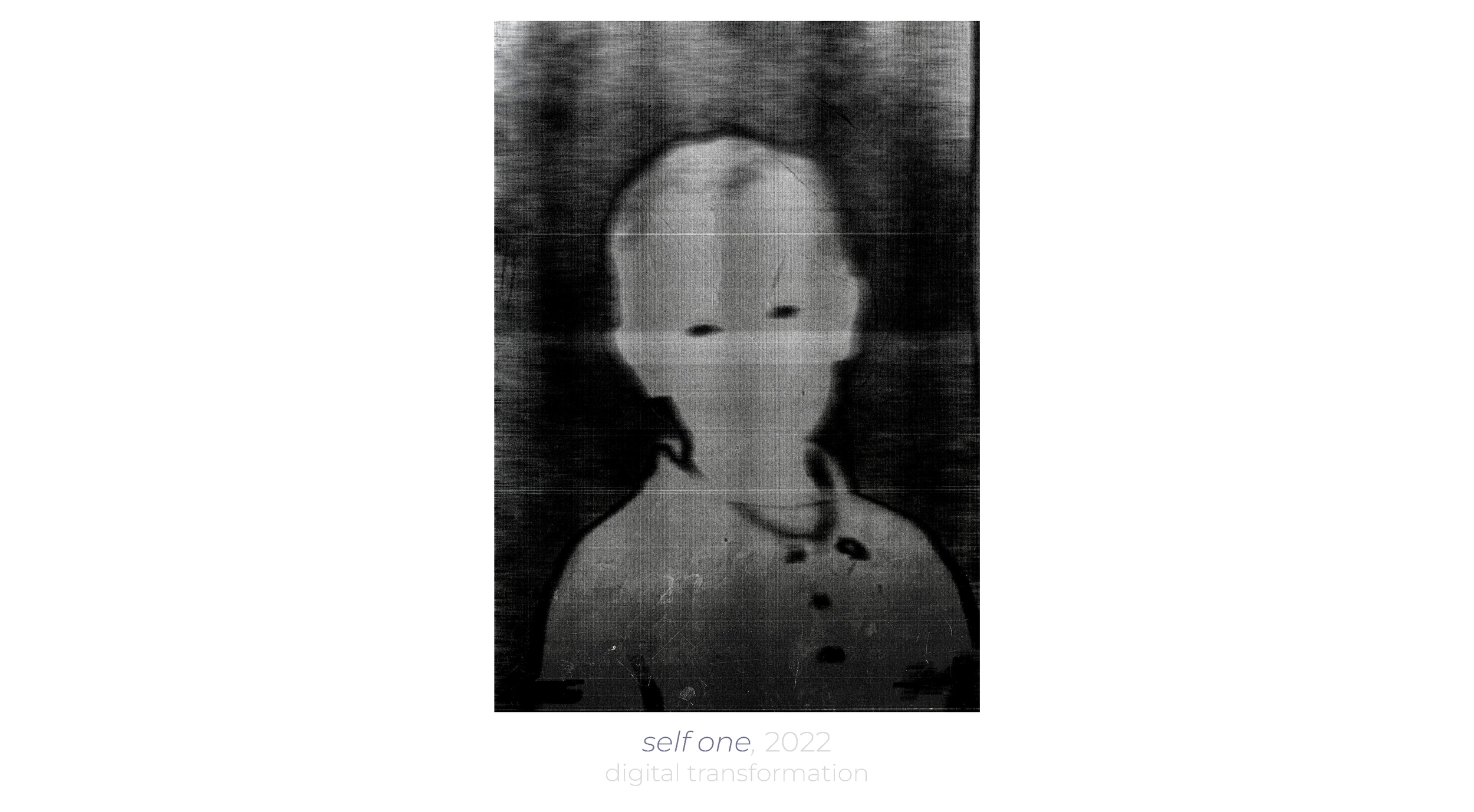
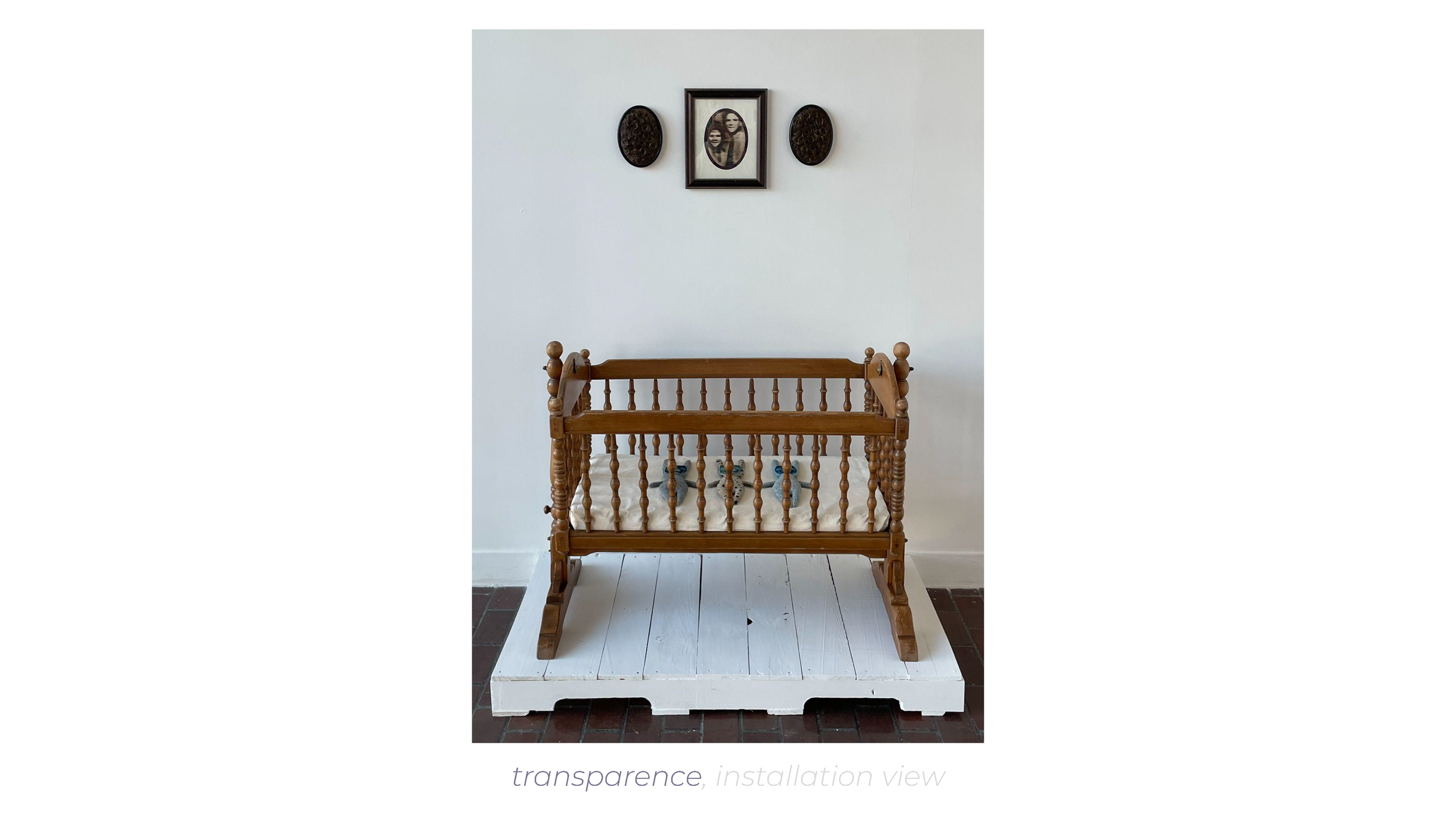
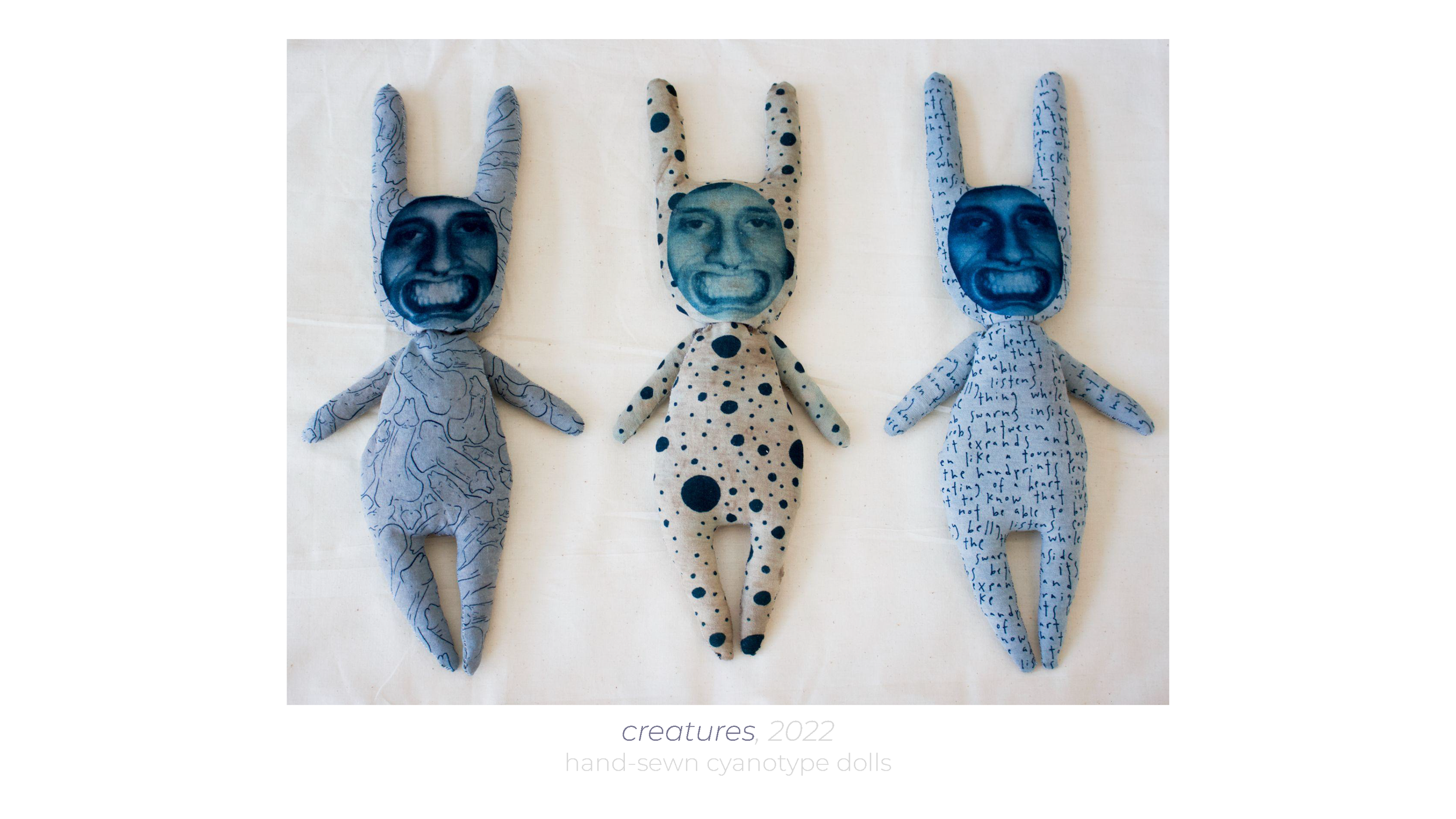
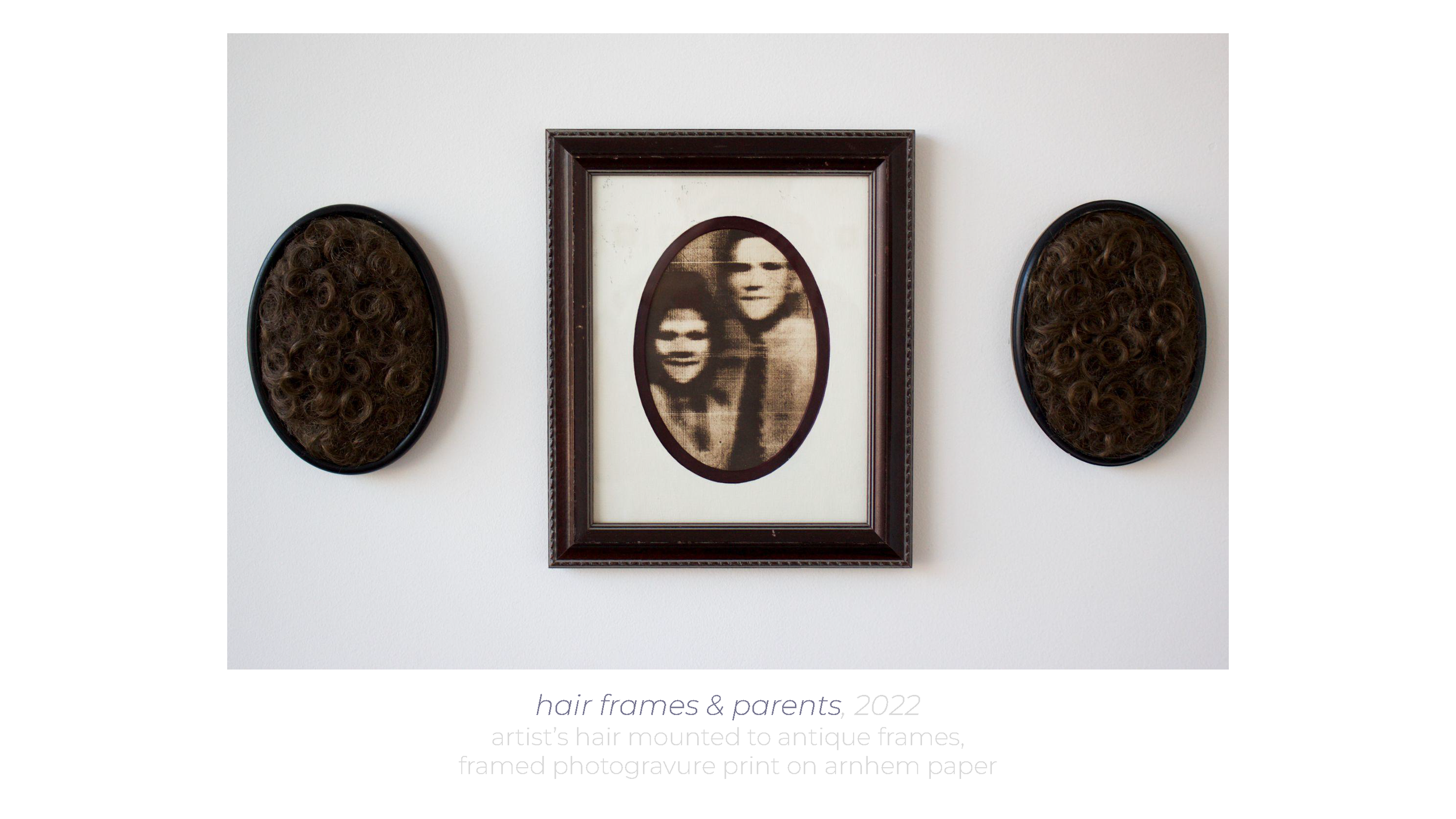
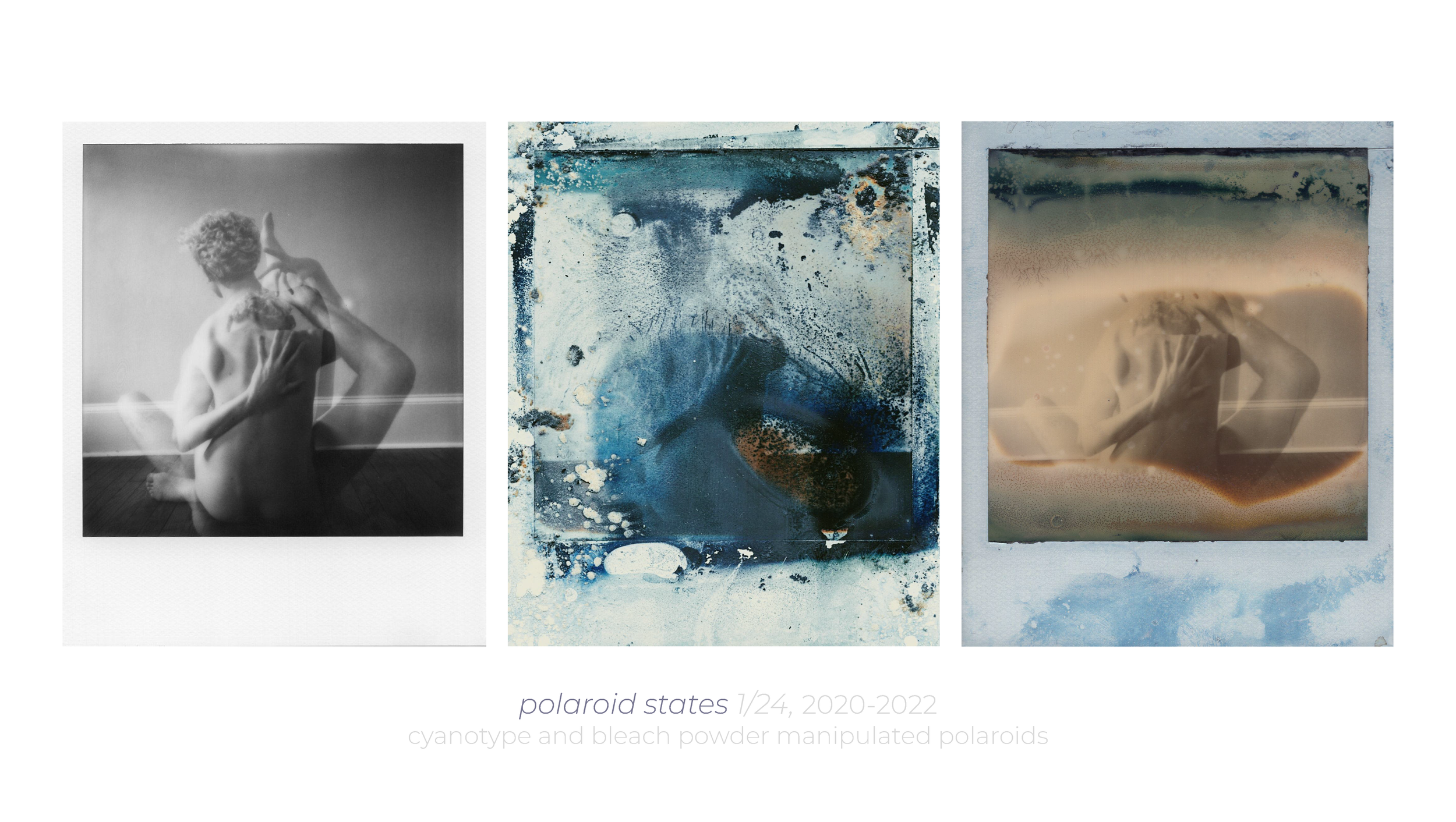
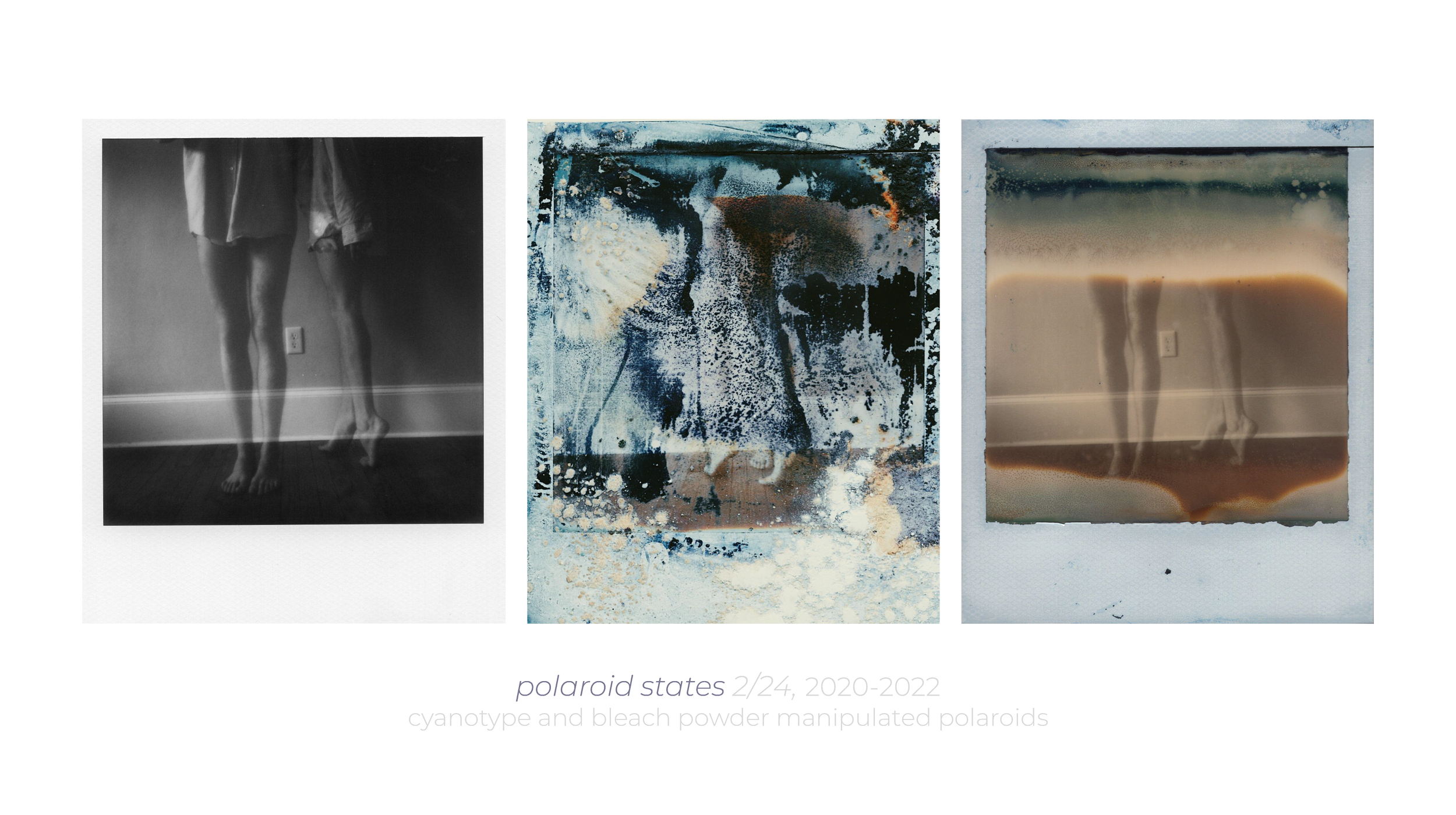
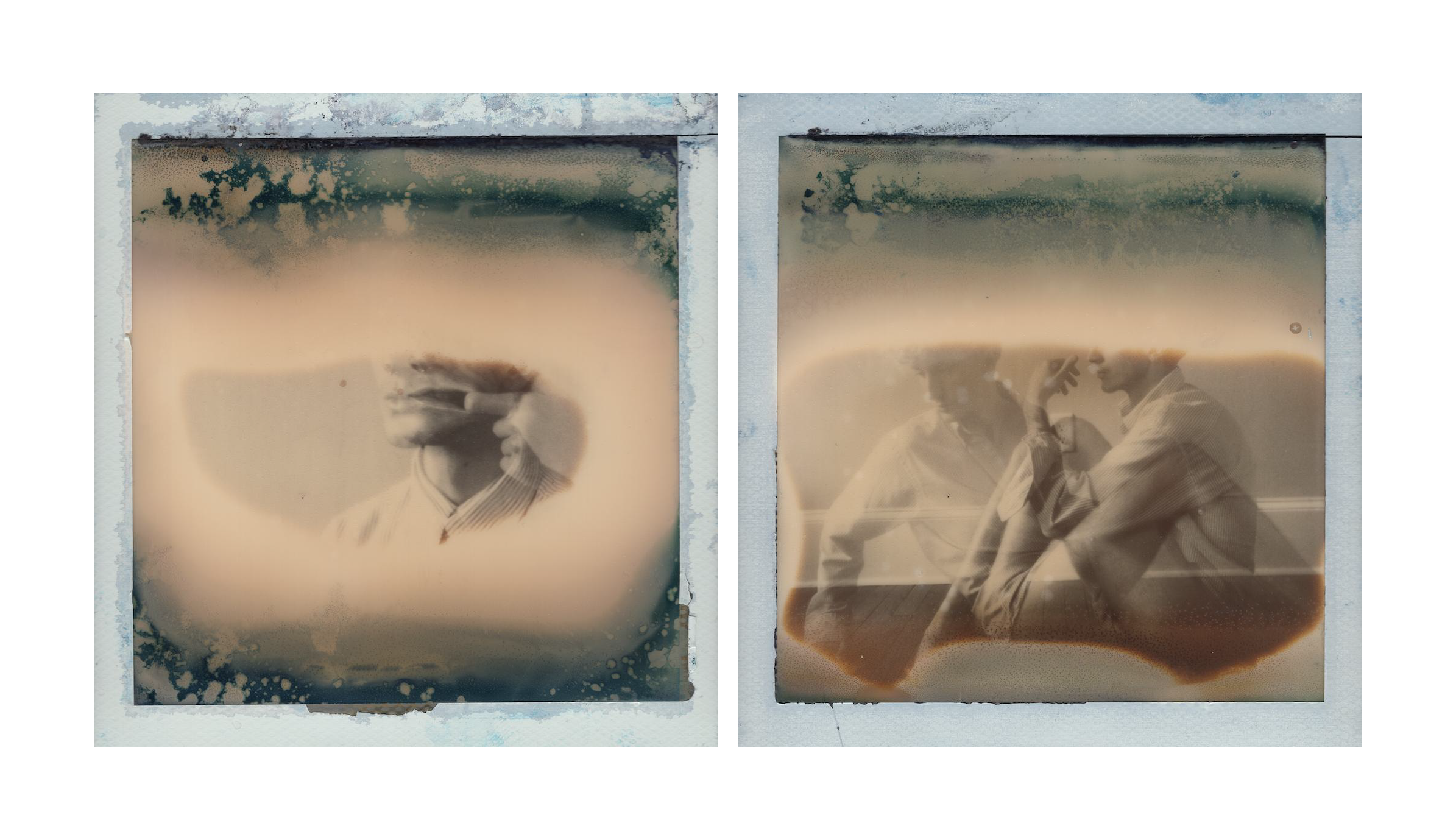
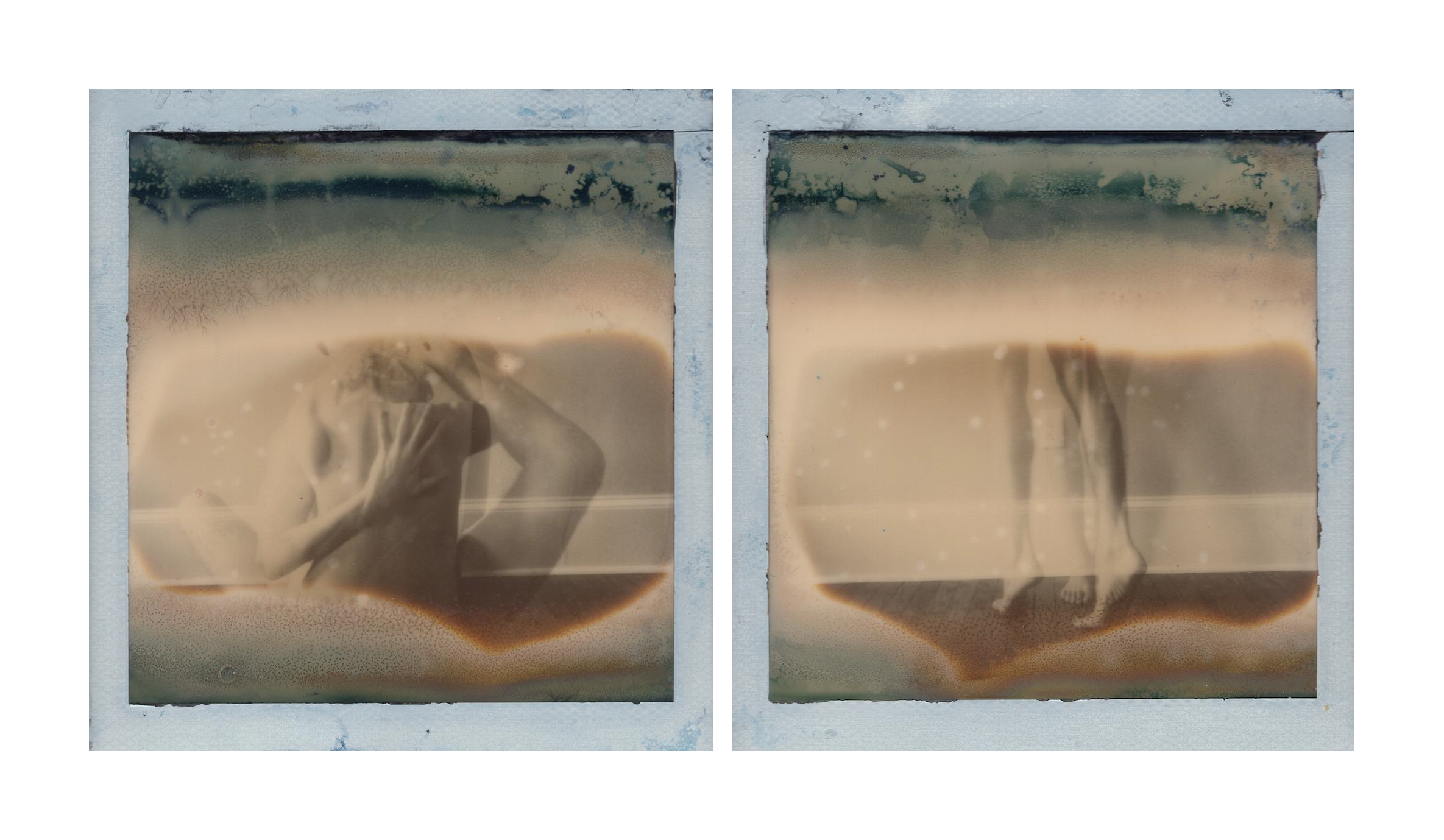
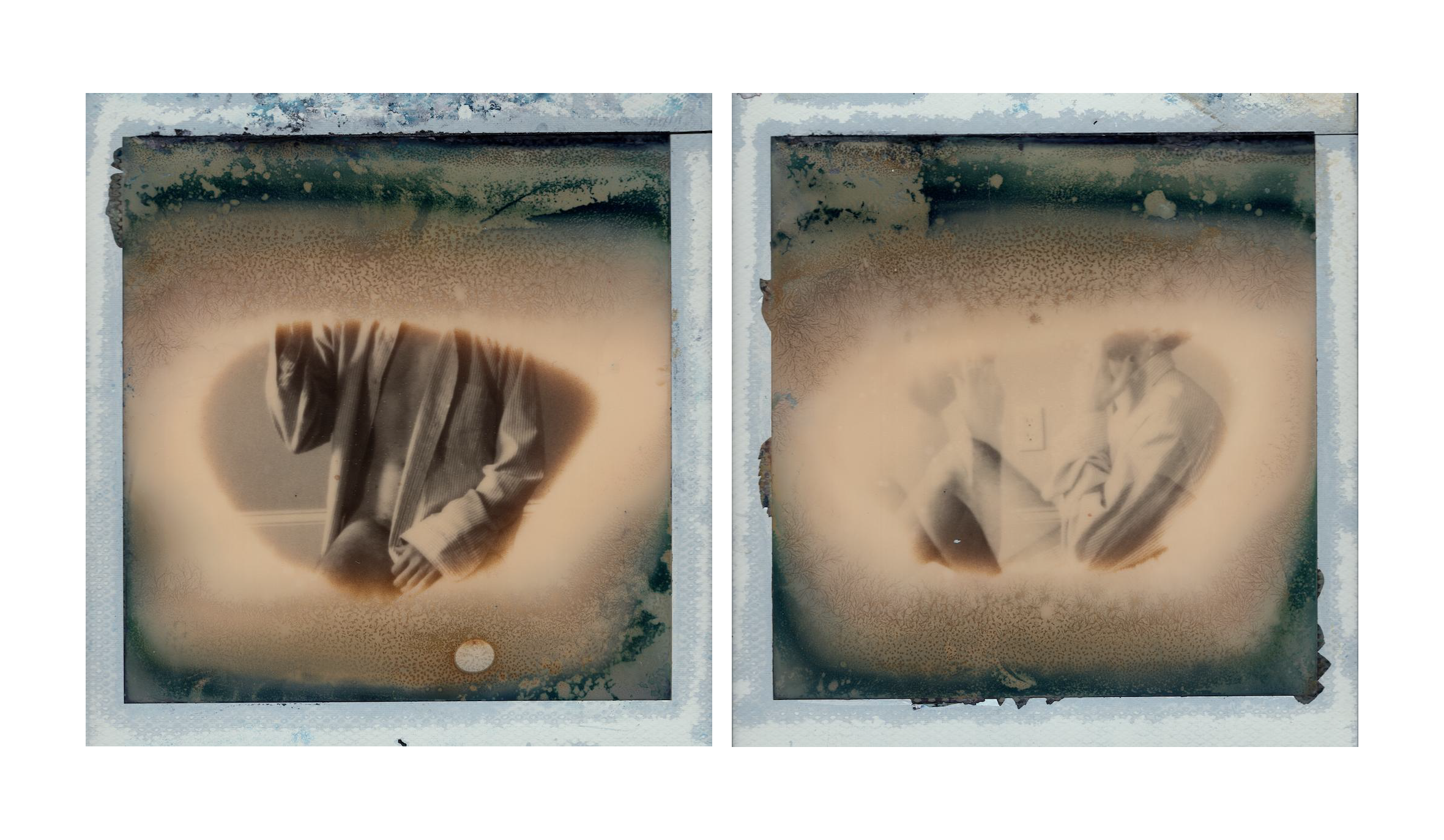
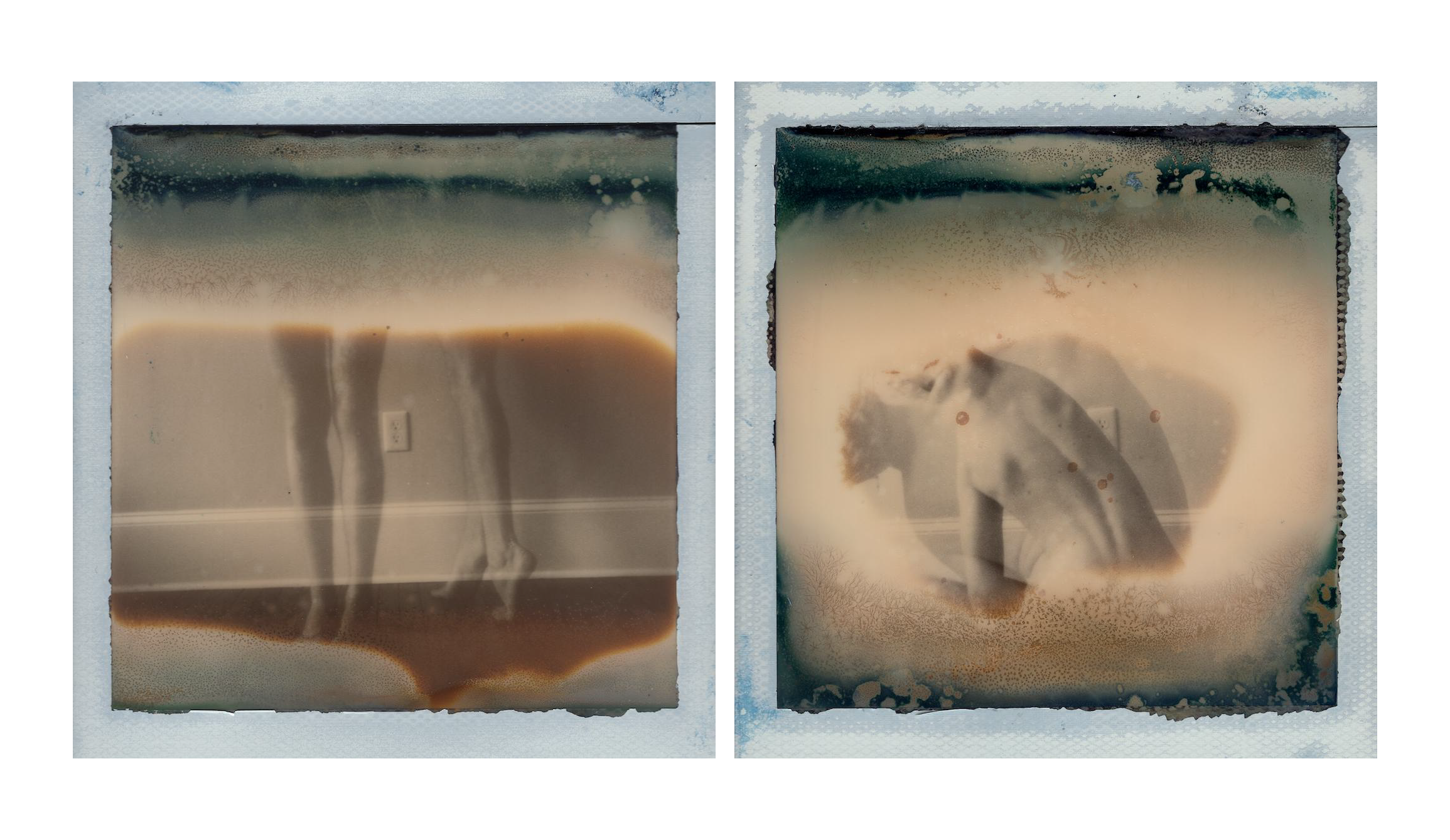
The first of these three acts, Absence, touches on the familial dissonance I’ve witnessed throughout my life, calling to question the roles imagery and portraiture take within the context and conception of family and how I exist within such, often sterile and posed, frameworks. This section serves as an acknowledgement or questioning of my family dynamic, but is also a visual form of forgiveness or acknowledgement directed towards my parents. Transparence serves more as a bodily and tonal reclamation, utilizing the hand-sewn/printed transitional objects to reinstate and resituate my body in relation to my family and my interior. It is a proclamation of love towards those who have hurt me, an extension or continuance of forgiveness. The last act, Iridescence is one that preserves and celebrates my body as it stands today. The photographs themselves have gone through a transitional process– they exemplify cleansing and understanding, wholeness and solitude. They externalize the comfort I’ve found within my interiority, my child psychology, while also expressing gratitude and thanks for the body I’ve been given and those who gave it to me.